



















Inside the article
Request a product demo
Get a demo and clarify your doubts about our software.
Key Takeaways
- In 2026, flexible, short-term space rentals have replaced long-term leases as a high-demand business model.
- The most profitable space rental businesses succeed by serving a clear niche and maximizing revenue per square foot through efficient, repeatable use.
- Location, pricing strategy, and purpose-driven design directly determine occupancy rates and long-term profitability.
- Automation, online bookings, and standardized systems are essential to reduce operational friction and scale beyond a single location.
- Sustainable growth comes from repeat customers, memberships, partnerships, and treating space rental as a systemized business.
The way people work, create, and gather has changed. Physical space has become a flexible, on-demand asset instead of a fixed cost.
Demand for short-term, purpose-built spaces is growing quickly. This trend includes pop-up events, remote teams, content creators, and small businesses. As a result, 2026 is a perfect time to start a profitable space rental business.
If you’ve ever considered an underused property and thought it could earn more, you’re already thinking like a space rental entrepreneur.
In this guide, you’ll learn how to start a space rental business step by step. You will also explore profitable space rental business ideas and discover how to price, market, and scale your space into a reliable source of income.
What is a Space Rental Business and How Does It Work?
A space rental business allows you to make money by renting out physical spaces on a short-term, flexible basis instead of signing long-term leases.
Instead of locking tenants into multi-year contracts, you offer spaces by the hour, day, week, or month to individuals and businesses that need them temporarily.
These physical spaces can include event venues, coworking desks, meeting rooms, studios, storage units, or warehouses, each for a specific use and audience.
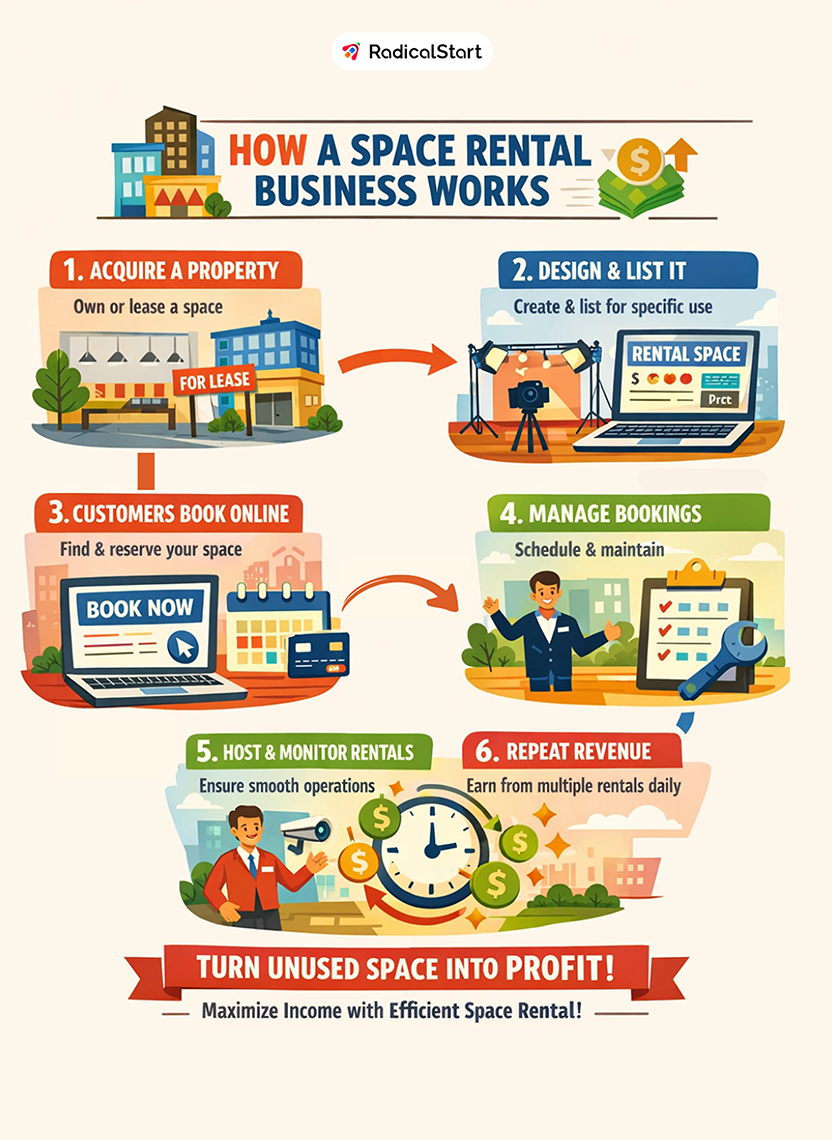
Here’s how the space rental business works in practice:
- You can acquire or control a property, either owned or leased.
- You can design it for a specific purpose like corporate meetings, party halls, or a warehouse, and list it online with clear pricing and availability.
- Customers find your space through your website, search engines, or rental marketplaces.
- Customers can book and pay online.
- As an owner, you manage scheduling, access, rules, and maintenance while optimizing occupancy to increase revenue.
The main benefit is efficiency; the same square footage can earn money multiple times a day from different renters, turning unused or underused space into a repeatable income stream.
Most Profitable Types of Space Rental Businesses
Here are some of the most profitable space rental business ideas in 2026. Each has strong demand drivers and flexible pricing options.
Event Venues and Banquet Halls
Venues, banquet halls, and event space rental businesses are some of the top-earning space rental options because they focus on providing premium experiences. People often rent these spaces for weddings, corporate events, exhibitions, product launches, and private celebrations.
If you’re interested in entering this market, learn how to start an event venue business and understand the key steps involved in planning, launching, and managing a successful venue operation.

Profit for venue rental business startups comes from charging by the hour or per event, along with offering additional services like decor, catering, lighting, and AV equipment. Demand usually follows a seasonal pattern, but since the events are high-ticket, the profit margins can be appealing when bookings are handled well.
Pros
- High revenue per booking.
- Strong demand for weddings and corporate events.
- Extra income from catering, décor, AV equipment, and parking.
- Weekend-heavy bookings provide flexibility during the week.
Cons
- Seasonal demand changes.
- High initial setup and décor costs.
- Increased wear and tear after large events.
- Needs effective crowd management and insurance.
Coworking and Flexible Office Spaces (Flex spaces)
Coworking spaces cater to startups, freelancers, remote teams, and small businesses looking for flexibility without long-term leases. Revenue is generated through daily passes, monthly memberships, private offices, and meeting room rentals.
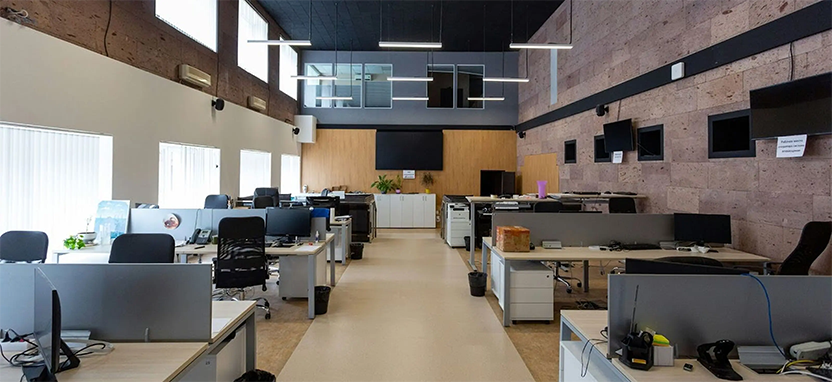
This model benefits from recurring income, high retention, and strong demand driven by remote work and hybrid teams. Well-designed coworking spaces can also upsell services like internet upgrades, lockers, event hosting, and virtual office plans.
Pros
- Predictable recurring revenue
- Strong demand driven by remote and hybrid work
- Membership models improve cash flow stability
- Opportunities for upsells (meeting rooms, events, internet, printing)
Cons
- Higher ongoing operational costs (staff, utilities, internet)
- Competitive market in metro cities
- Requires community management to reduce churn
Photo and Video Production Studios
Photo and video studios cater to content creators, brands, agencies, and media teams that need professional, controlled environments. These spaces are usually rented by the hour or day and charge high rates because of their specialized equipment, lighting setups, soundproofing, and backdrops.
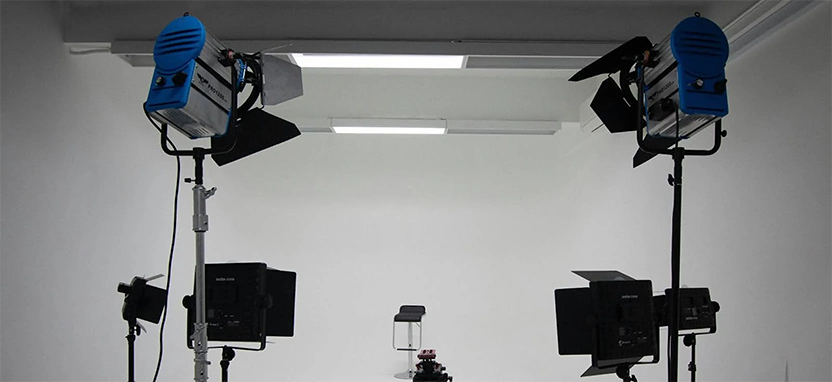
As social media marketing, online courses, podcasts, and video advertising have become more popular, studio rentals provide strong use and high profits with the right positioning.
Pros
- High hourly pricing with short booking durations.
- Repeat customers from creators and agencies.
- Minimal staffing required.
- Strong demand from content creators and social media brands.
Cons
- Initial investment in lighting, soundproofing, and interiors.
- Equipment maintenance costs.
- Demand may fluctuate by season or trends.
Storage and Warehouse Facilities
Storage and warehouse rentals have steady, long-term demand from e-commerce sellers, small businesses, and individuals who need extra space. This model provides predictable revenue through monthly contracts and has lower operational complexity than event-based spaces.

Even though the price per square foot is lower, occupancy rates are usually high. This makes storage space rental businesses dependable and able to grow, especially in urban and logistics-focused areas.
Pros
- Very low maintenance and staffing needs.
- Stable, long-term customers.
- Predictable monthly income.
- Lower risk compared to public-facing spaces.
Cons
- Lower revenue per square foot compared to event or studio spaces.
- Requires strong security systems.
- Slower growth without scale.
Meeting and Conference Rooms
Meeting and conference rooms are perfect for businesses that require professional spaces without the need to maintain their own offices. These rooms can be rented by the hour or day for client meetings, interviews, workshops, and training sessions.

Profitability rises from high turnover, corporate pricing, and extras like video conferencing tools, presentation equipment, refreshments, and administrative support. When these spaces are part of coworking or business centers, they greatly increase overall revenue per square foot.
Pros
- High hourly rates Strong demand on weekdays
- Easy to combine with coworking spaces
- Low wear and tear compared to event venues
Cons
- Limited booking hours, mostly during business hours
- Requires AV equipment and reliable internet
- Revenue relies heavily on location
Why Start a Space Rental Business in 2026?
In 2026, businesses no longer need to own space; they access it on demand.
From coworking hubs and meeting rooms to event venues and creator studios, the shift from long-term leases to flexible, pay-as-you-use models is accelerating.
Rising Demand for Flexible Workspaces (Flex spaces)
Startups and enterprises now book project offices and meeting rooms only when needed.
The U.S. flexible office market is expanding at 11% annually, representing nearly 3% of all office space, with 58% of companies integrating flex spaces into their real estate strategies.
Growth in the Gig Economy and Remote Work
Freelancers, consultants, and remote workers need reliable spaces without long-term commitments.
By late 2026, independent workers are projected to make up 48.5% of the U.S. workforce, driving consistent demand for on-demand workspaces.
Event Industry Recovery and Expansion
Experiential events, pop-ups, and hybrid gatherings are booming. The U.S. events market is expected to reach $538.6 billion by 2030, with corporate seminars and premium workshops leading venue demand.
Low Entry Barriers Compared to Other Real Estate Ventures
Unlike traditional real estate ventures, many operators successfully lease and sub-rent spaces. Flexible layouts and short-term bookings let you launch quickly, test demand, and adjust pricing without long-term risk.
Recurring Revenue and Scalability Potential
Memberships, subscriptions, and repeat clients create a steady cash flow. With the right systems, a single location can scale into a profitable, multi-location operation, making space rental a compelling business opportunity in 2026.
Step-by-Step Guide to Starting Your Space Rental Business
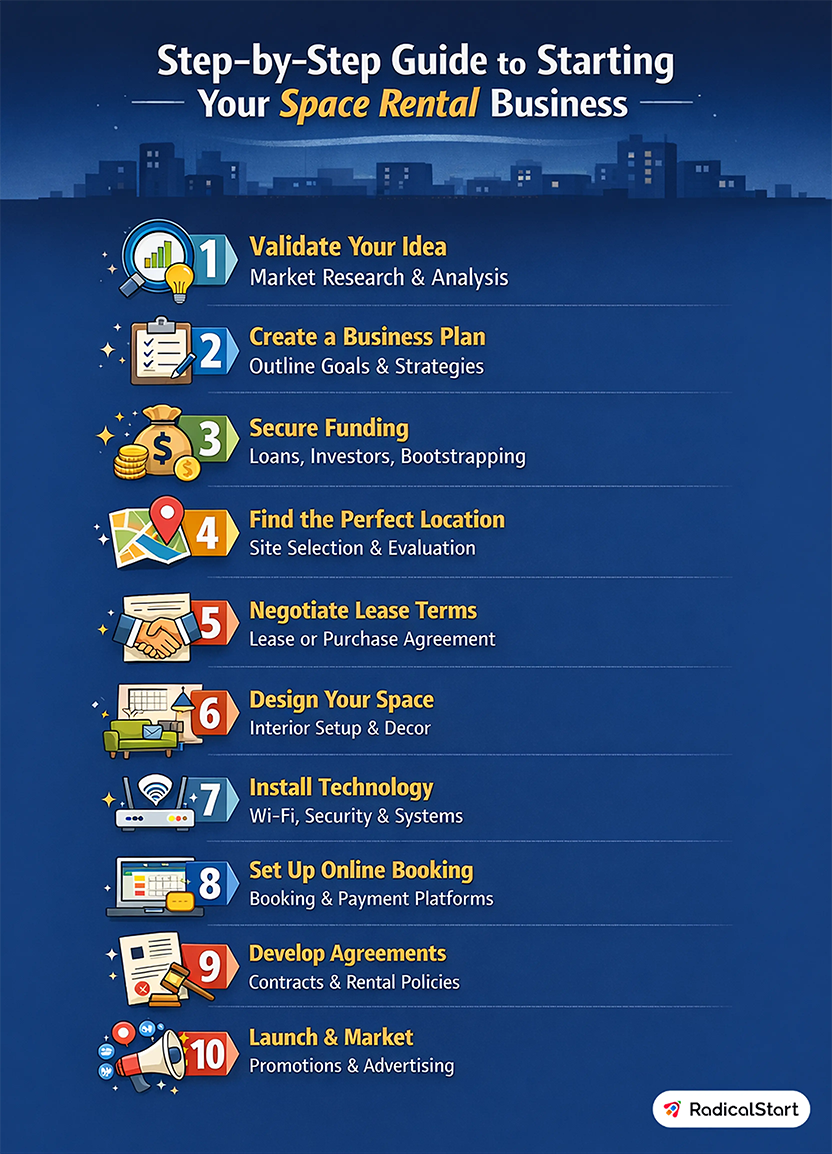
Step 1: Validate Your Idea with Market Research
Start by figuring out who will rent your space and why. Look into local demand, competitors, pricing, peak usage times, and any gaps in the market.
This validation helps you confirm that you're meeting a real need for rental spaces.
- Search Google Maps and marketplaces (Peerspace, coworking listings, storage platforms) within a 5 to 10 km radius.
- Look at competitors’ pricing, availability, reviews, and occupancy.
- Talk directly to potential users, such as event planners, founders, photographers, and local businesses.
- Check how often similar spaces are fully booked to confirm demand.
Step 2: Write a Comprehensive Business Plan
Your plan must explain how your rental space generates income.
- Define the type of space: event, coworking, studio, or storage.
- List the revenue sources: hourly rentals, memberships, and add-ons.
- Calculate the fixed costs: rent, utilities, staff, and software.
- Estimate the break-even occupancy percentage.
- Set revenue targets for 6 months and 12 months.
Step 3: Secure Funding (Loans, Investors, Bootstrapping)
Choose funding based on how capital-intensive your space is.
Bootstrapping, which involves using personal savings or early revenue, works best for low-cost setups like photo studios, meeting rooms, or small coworking spaces.
This approach allows you to keep full ownership.
Bank loans, including SBA-backed loans, are more suitable for asset-heavy models such as warehouses or banquet halls, where upfront renovation and deposits are significant.
Investors are a good fit only if you’re creating a scalable model like a multi-location coworking brand, as they expect fast growth and equity in return. No matter the source of funding, prepare a clear capital use plan.
This plan should cover interiors, deposits, technology, marketing, and working capital to ensure you have at least six months of operational runway before breaking even.
Step 4: Find and Evaluate the Perfect Location
Location directly affects bookings, pricing, and long-term profit. The right space draws in repeat customers, while the wrong one struggles even with strong marketing.
- Identify places where your target customers already operate or visit often.
- Match the location to the use case: events require accessibility and parking, coworking needs business hubs and transit options, and storage requires secure, low-rent areas with loading access.
- Check local zoning, commercial use permissions, and noise regulations before making a shortlist.
- Look at nearby competitors for pricing, occupancy, and any gaps in demand.
- Calculate revenue per square foot and compare it to total rent and operating costs before committing.
Step 5: Negotiate Lease or Purchase Terms
Your lease terms directly influence your profit margins, risk, and long-term stability, so this step needs careful negotiation.
Before signing any agreement, it is important to understand the cost of renting business space in your target market, as rental expenses will directly affect your pricing strategy, occupancy goals, and overall profitability.
Look for long lock-in periods with clearly defined rent escalation limits to guard against unexpected cost increases as your business grows. Always get written permission for subleasing and commercial use, especially if you plan to offer hourly or short-term rentals.
Negotiate rent-free periods of 2 to 6 months to finish the interiors and start marketing before expenses begin. In the early stages, avoid revenue-sharing leases because they restrict potential gains and make cash flow forecasting harder.
Step 6: Design Your Space for Maximum Appeal
Design decisions should focus on usability and revenue, not just aesthetics. Start with the function. Your space must support quick turnovers, various booking types, and require little maintenance.
Use modular layouts so the same area can serve different purposes without downtime. Invest in durable flooring and commercial-grade furniture to withstand heavy use and lower replacement costs. Include soundproofing in areas where privacy or recording quality is important, especially for studios and meeting rooms.
Use clear signage and controlled access points to improve movement and reduce staff involvement.
Step 7: Install Essential Technology and Systems
Manual operations don’t scale and soon become a bottleneck as bookings rise. To run efficiently, install high-speed internet with a backup connection to prevent downtime, especially if you are renting office spaces for coworking and meetings.
Use access control systems like smart locks or keycards to allow self-check-ins and lower staffing needs. Set up CCTV and security systems to protect assets and monitor usage.
Finally, implement property and booking management software to manage reservations, payments, availability, and reporting from a single dashboard.
Step 8: Set Up Online Booking and Payment Systems
Your space should be easy to find, book, and pay for in under two minutes. Anything slower hurts conversions. Use a system with a real-time availability calendar, instant online payments with automatic invoices, and clear cancellation and refund rules during checkout.
The whole process must be mobile-friendly, since many users book on their phones. Instead of starting from scratch, you can launch faster by using ready-made white-label space rental software. This allows you to list your spaces, display live availability, accept bookings, and manage payments from one dashboard.
Step 9: Develop Rental Agreements and Policies
Your rental agreements protect you legally and financially, especially for short-term, high-turnover bookings.
Every rental business should use standardized, written contracts instead of verbal confirmations or WhatsApp messages.
- Start by setting clear usage rules.
- Define what the space can and cannot be used for, maximum capacity, time limits, noise restrictions, and local law compliance.
- Include clauses for damage and security deposits that outline inspection procedures, rules for deductions, and timelines for refunds to prevent disputes.
- Clearly state cancellation, rescheduling, and no-show policies, along with penalties related to notice periods.
- Add liability waivers to limit responsibility for injuries, equipment loss, or damage caused by others, and specify any insurance needs for high-risk events or commercial shoots.
- Always have a commercial property or contract lawyer review your agreements to ensure they are enforceable in your area.
Step 10: Create Your Launch Marketing Plan
A successful rental business launch focuses on immediate bookings:
- Start by listing your space on rental marketplaces to access existing demand from day one.
- Set up and improve your Google Business Profile with photos, services, pricing, and location keywords to attract local searches.
- Offer limited-time launch discounts or bundled deals to make it easier for first-time customers.
- Gain early traction by teaming up with event planners, startups, agencies, and local businesses that can generate repeat bookings.
Actively follow up with your first 10 to 20 customers for reviews, as social proof is crucial for future booking decisions.
How to Price Your Space Rentals for Maximum Profit
Pricing is a key factor that decides if your space remains busy and profitable. The aim is not to offer the lowest prices, but to set rates based on demand, usage patterns, and the value your space provides.
- Begin by researching the market. Look at similar spaces within a 5 to 10 km radius and check their hourly, daily, and monthly rates.
- Pay attention to what competitors include in their pricing, such as furniture, internet, equipment, and on-site support.
- Use this information to establish a competitive base price. Then, adjust it based on your location, amenities, and overall quality.
- Next, calculate your minimum viable price by adding all fixed costs like rent, utilities, software, and staff, along with variable costs such as cleaning and wear and tear. Divide this total by your target booking hours to determine the lowest rate you can charge without losing money.
- Use dynamic pricing to boost revenue. Charge higher rates during peak hours, weekends, and busy seasons.
- Offer lower prices during off-peak times to keep occupancy up. For event spaces and studios, weekend prices can reasonably be 20 to 40 percent higher than weekday rates.
- Provide multiple pricing options. Hourly rates work well for meetings and studios, daily rates are best for events, and monthly or membership plans are suitable for coworking and storage spaces.
- Bundled pricing that combines space, equipment, and support can increase average order value without needing more square footage.
- Review your pricing every 90 days by monitoring occupancy, revenue per square foot, and customer feedback. If your space is often fully booked, you might be underpricing.
If it remains underutilized, consider adjusting offerings or time-based pricing before reducing your base rates.
Marketing Strategies to Fill Your Space Rental Calendar
Marketing a space rental business is about securing regular bookings, not just one-time visibility. The strategies below focus on capturing demand, helping local customers find you, and encouraging repeat use.
Build a High-Converting Website with SEO
Your website should turn visitors into bookings, not just display photos. Optimize pages for keywords like "event space rental," "coworking space near me," or "studio for rent" based on your niche. Include fast-loading pages, clear pricing, real photos, availability calendars, and instant booking options. SEO provides long-term, low-cost bookings once your rankings stabilize.
List on Space Rental Marketplaces (Peerspace, Splacer, etc.)
Marketplaces like Peerspace and Splacer connect you with users actively searching for spaces. Professional photos, competitive pricing, and quick responses improve your ranking and help generate immediate bookings, especially during launch.
Leverage Google My Business and Local SEO
A well-optimized Google Business Profile is essential for local visibility. Add accurate location details, categories, pricing ranges, images, and services.
Request reviews after each booking to improve rankings in "near me" searches, and Google Maps often outperforms paid ads for local traffic.
Local SEO means optimizing your online presence so your space appears when people search terms like "event space near me" or "coworking space in [city]."
Use free tools like Semrush to find city-specific keywords for your website, and ensure your business name, address, and phone number are consistent across directories.
Social Media Marketing for Visual Spaces
- Focus on Instagram and Facebook, where visuals drive decisions.
- Share authentic content like event setups, client walkthroughs, and space transformations.
- Encourage user-generated content by asking renters to tag your location and handle, then reshare with credit for immediate social proof.
- Use short videos extensively, Reels showing setup-to-event transitions, time-lapse room resets, client testimonials, and "day in the space" clips outperform static images.
- Tag local event planners, photographers, agencies, and creators to expand reach. Include location tags, relevant hashtags, and clear calls to action like "Book via link in bio."
Content Marketing and Blogging
Attract customers before they're ready to book by publishing blogs answering key questions like "how to plan a corporate offsite" or "best photoshoot locations in [city]."
Optimize articles with local keywords, internal links, and booking CTAs. This positions your brand as an expert and generates long-term SEO traffic that converts readers into renters.
Email Marketing and Lead Nurturing
Collect emails from inquiries, past renters, and website forms. Segment by use case events, meetings, storage, and send relevant updates like availability alerts, seasonal pricing, and last-minute openings.
Automated follow-ups and reminders turn one-time users into repeat customers.
Partnership with Event Planners and Businesses
Partner with event planners, HR teams, and agencies who need reliable spaces regularly.
Offer commissions, priority access, fixed pricing, or bundled packages.
One strong partner can generate more consistent revenue than months of individual customer acquisition
Referral Programs and Customer Loyalty Incentives
Reward repeat bookings with booking credits, discounted rates, or priority access.
Existing customers cost less to convert and become active promoters who attract high-intent leads with minimal marketing effort.
Common Challenges in Space Rental Business and Solutions
Every space rental business faces operational and market challenges. The difference between struggling operators and profitable ones is how early they spot and address these issues.
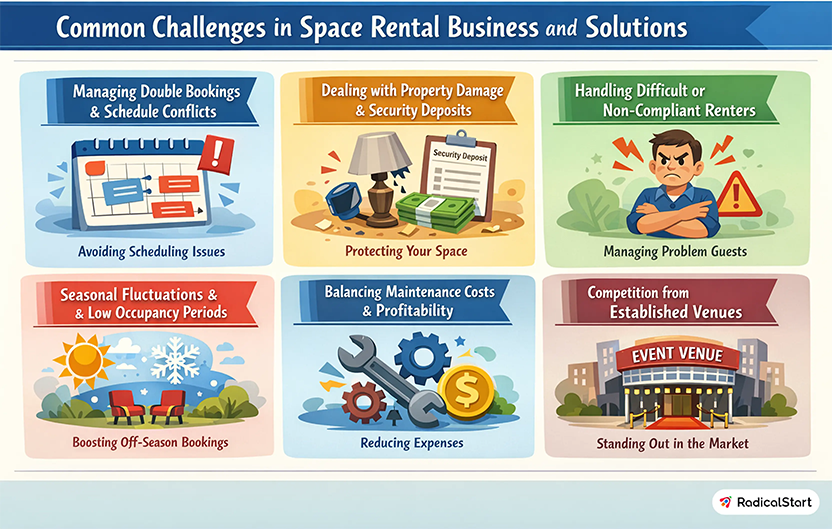
Managing Double Bookings and Schedule Conflicts
Double bookings often occur because of manual tracking or separate calendars.
The solution is to use a reliable space rental software that syncs availability across your website, marketplaces, and internal calendars. Automatically confirm bookings, add buffer times between appointments, and block off the calendar right after payment. This reduces errors and safeguards your reputation.
Dealing with Property Damage and Security Deposits
High foot traffic increases wear and tear, so you need to build protection into your process.
Use mandatory security deposits, clearly defined clauses for damage and deductions, and document pre- and post-booking inspections with photos or videos.
Higher-risk bookings, like events or commercial shoots, require extra deposits or proof of insurance. These steps promote accountability from the start and help recover damages without disputes.
Handling Difficult or Non-Compliant Renters
Most renter issues come from unclear or unenforced rules. Prevent problems by establishing clear usage policies. These should outline noise limits, capacity, time restrictions, prohibited activities, and penalties for violations. Apply these rules consistently to all bookings and back them up with staff oversight or automated access controls when necessary.
Well-defined contracts set expectations from the start, lower the chances of conflicts, and protect your brand's reputation.
Seasonal Fluctuations and Low Occupancy Periods
Demand naturally varies with the season, weekdays, and economic cycles. You can manage this by using dynamic pricing, offering discounts during off-peak times, creating long-term packages, and finding alternative uses for the same space.
For example, an event venue can host workshops or training sessions on weekdays. A studio can sell monthly creator passes during slower periods to maintain steady occupancy.
Balancing Maintenance Costs with Profitability
Frequent use naturally raises maintenance costs, but you can control them with the right systems. Invest in durable, commercial-grade materials.
Follow a preventive maintenance schedule. Track maintenance costs per booking to catch inefficiencies early. Instead of covering these expenses yourself, include cleaning and maintenance costs in your pricing.
This creates predictable expenses and helps maintain stable profit margins as bookings increase.
Competition from Established Venues
Established venues often do well due to their brand recognition, not necessarily because of better quality. To compete, focus on clear niche positioning, quicker and easier booking experiences, transparent pricing, and improved customer service.
Highlight flexibility, customizable add-ons, and personalized experiences instead of just competing on price. This approach helps protect margins and draws in the right customers.
How to Scale and Grow Your Space Rental Business
Expand to Multiple Locations
Only expand after your first location has stable occupancy and positive unit economics. Use the same demand validation process before entering new areas. Replicate your layout, pricing, and systems instead of reinventing them. Growth across multiple locations works best when branding, booking systems, and operations are standardized.
Diversify Your Space Offerings
Increase revenue without acquiring new properties by introducing complementary space types. For example, coworking spaces can add meeting rooms or event areas, while event venues can offer weekday workshops or studio rentals. Diversifying services improves utilization and reduces reliance on a single customer segment.
Implement Membership and Subscription Models
Memberships create predictable cash flow and improve retention. Offer monthly passes for coworking, discounted bundles for studios, or recurring meeting room credits for businesses. Subscriptions stabilize revenue during slower periods and increase customer lifetime value.
Franchise Your Business Concept
Franchising enables rapid expansion with minimal capital investment. This works best when your brand, operations, and systems are well-documented and easily transferable. Standard operating procedures, design templates, and pricing models are critical before offering franchises.
Hire and Train a Reliable Team
Scaling means that you need to go beyond the founder-led approach. You need to hire people to handle operations, sales, and customer service. Train them on processes, SOPs, and checklists. This will ensure that the quality of service is consistent and that operations run smoothly as the number of bookings increases.
Automate Operations for Efficiency
Automation is necessary for scalability. Use software for booking, payment, access control, customer communication, and reporting. Automation minimizes human error, reduces labor costs, and enables you to control multiple locations from a single dashboard.
Conclusion
A space rental business in 2026 offers a mix of flexibility, scalability, and recurring income. With the right location, pricing, systems, and marketing, underutilized space can be transformed into a high-performing asset.
Success comes from treating your space like a product, your operations like a system, and your growth like a repeatable process. When executed well, a space rental business can scale from a single location into a sustainable, long-term income engine.
Request a product demo
Get a demo and clarify your doubts about our software.